If you are trying to sell your Mount Pleasant home and buy your next one at the same time, you are not alone, and you are not overthinking it. Coordinating two major moves can feel like a lot, especially in a market where timing, pricing, and budget may shift from one area to the next. The good news is that with a clear plan, the process can feel much more manageable. Let’s dive in.
Why timing matters in Mount Pleasant
In a market like Mount Pleasant, the details matter. According to Redfin’s Mount Pleasant housing market data, the median sale price was $831,000 in February 2026, homes took about 69 days to sell, and the average sale-to-list ratio was 97.9%.
That tells you two important things. First, homes are still commanding strong prices. Second, this is not a market where every home sells instantly, so planning your timeline matters if you are counting on proceeds from your current home to fund the next one.
Mount Pleasant is also a large and varied town. The Town of Mount Pleasant reports a population of more than 90,000, and pricing can vary widely by area and property type.
For example, CTAR local market updates showed Lower Mount Pleasant detached homes with a March 2025 median sales price of $1.295 million and 35 days on market, while Upper Mount Pleasant detached homes had a January 2025 median of $1.037 million and 64 days on market. Even within the same town, your selling pace and your buying options may look very different.
Expect different price bands
One of the biggest sources of stress is assuming your sale and purchase will happen in the same market conditions. Often, they do not. You may be selling in one price point and buying in another, which can change your competition, your budget, and how quickly you need to act.
Across nearby Charleston-area communities, there is a broad range of pricing. Redfin area snapshots show examples from James Island around $485,000, the 29412 zip code around $615,000, Downtown Charleston around $1.3 million, Carolina Park around $1.5 million, and I’On around $2.4 million. That means your next home may require a very different strategy than the one you use to sell your current home.
Sell first is usually the safest path
For many homeowners, the least stressful starting point is to sell first and buy second. The Consumer Financial Protection Bureau notes that if you want to move, you normally try to sell your current home before buying another one.
Why does that approach help? It gives you a firmer understanding of your available equity, reduces the chance of carrying two housing payments, and lowers the pressure to make rushed decisions on the buy side.
It can also make your next offer cleaner. If your home is already listed or under contract, sellers may view your offer as more realistic than one that depends on several moving parts still being sorted out.
Options when timelines overlap
Sometimes selling first is ideal in theory, but real life has other plans. If you find the right home before your current one closes, you may still have workable options.
Home sale contingency
A home sale contingency means your purchase depends on selling your current home first. Realtor.com’s overview of buying before selling explains that this can protect you from being contractually forced to buy before your existing home is sold.
This option can reduce financial risk, but it may also make your offer less attractive in a competitive situation. If your current home is already on the market, that may help strengthen the contingency in the seller’s eyes.
Bridge financing
If you need to move before your current home sells, temporary financing may help close the gap. The CFPB describes bridge or swing loans as short-term financing for a new dwelling when you plan to sell your current one within 12 months.
This can offer flexibility, but it is not something to enter casually. Because bridge financing affects your loan structure and carrying costs, it is important to review the full terms with your lender.
Longer closing timeline
A longer closing period can be a practical middle ground. Realtor.com notes that a longer closing timeline can reduce pressure when both transactions need to line up.
This can give you a little more breathing room for moving logistics, lender deadlines, and final negotiations. In the right situation, it is one of the simplest tools available.
Short occupancy after closing
If your sale closes before your next home is ready, a short seller occupancy agreement may help bridge a brief gap. In South Carolina, REALTORS Form 375 is intended only for seller occupancy of seven days or less after closing.
That form also makes clear that longer occupancy should involve legal counsel, the buyer should inform the lender, the seller pays an occupancy fee in advance, and responsibilities like insurance and maintenance are specifically addressed. In other words, this should be treated as a tightly documented short-term solution, not an informal handshake agreement.
The South Carolina REALTORS association also warns that early and late occupancy situations can create legal complications. If this option is on the table, careful documentation matters.
Plan your cash carefully
Even when your equity position is strong, cash flow can still create stress. The CFPB says closing costs typically run about 2% to 5% of the purchase price before your down payment.
That means your move plan should account for more than just your next mortgage. You may also need funds for closing costs, movers, repairs, cleaning, storage, and a short period of overlap between homes.
A simple way to think about it is this:
- Expected proceeds from your sale
- Down payment needs for your next purchase
- Closing costs on the purchase side
- Moving and storage expenses
- Repair or prep costs before listing
- Emergency cushion for timeline changes
Make your current home easier to show
If you are living in your home while selling it, convenience matters. You want your home to present well without making day-to-day life feel impossible.
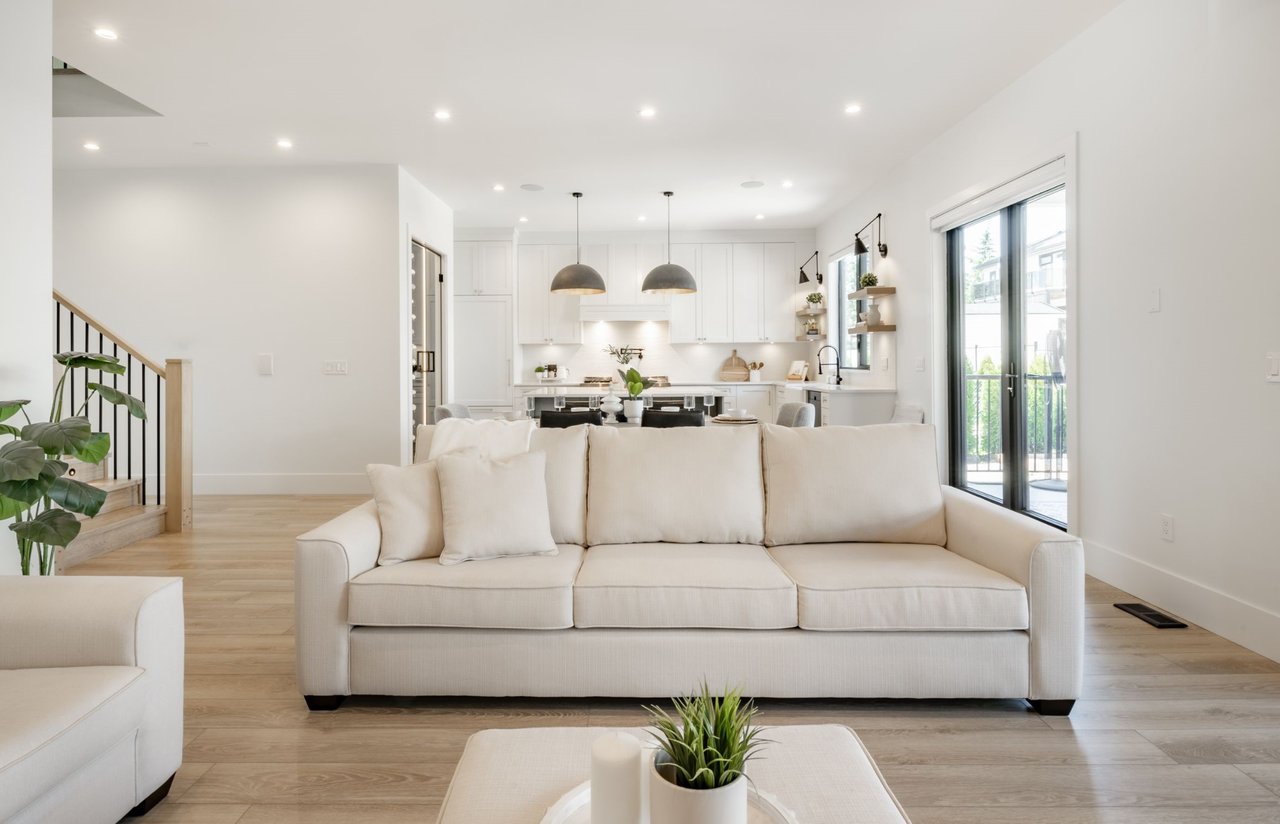
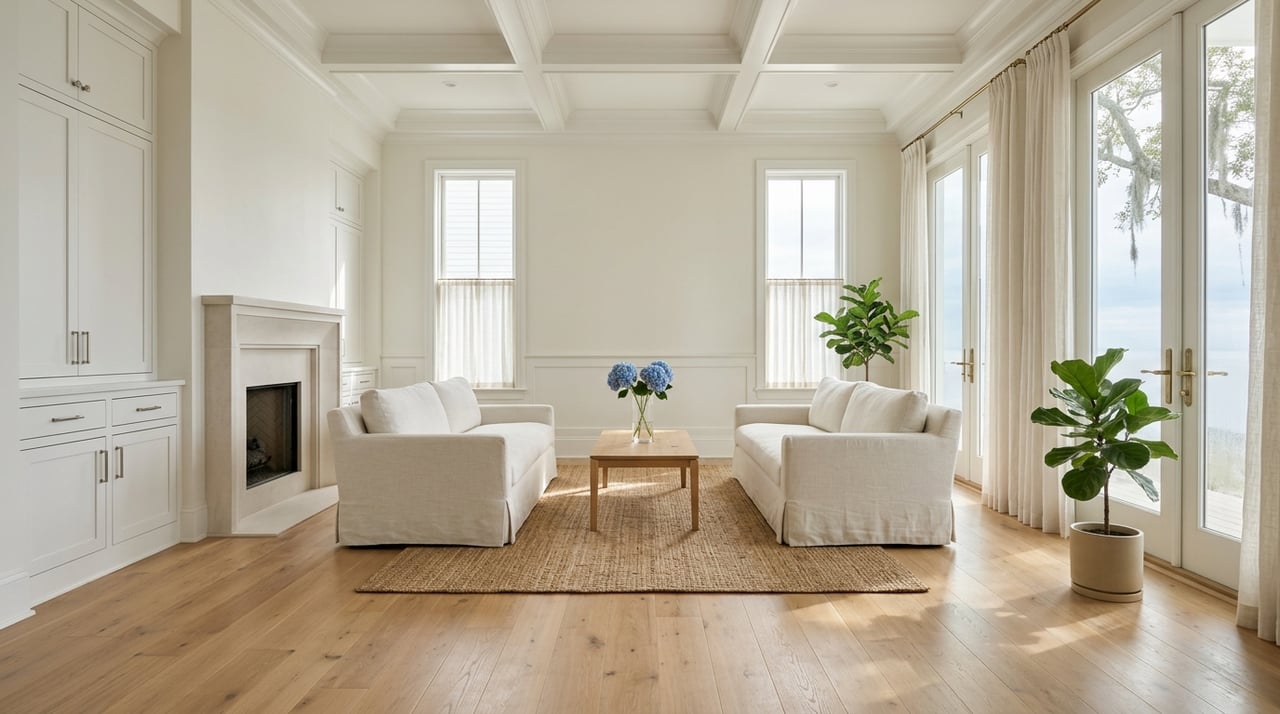
Staging can help. According to the National Association of REALTORS 2025 staging survey, 83% of buyers’ agents said staging made it easier for buyers to visualize the property as a future home, and 29% of sellers’ agents said staging increased dollar value offered by 1% to 10%.
The rooms most commonly staged were:
- Living room
- Primary bedroom
- Dining room
- Kitchen
NAR’s consumer guide to preparing your home for sale describes staging as cleaning and temporarily filling the home with furniture and decor. It also suggests opening window treatments and removing obvious reminders of the current homeowner so buyers can picture themselves living there.
For an occupied home, that usually means focusing on a few practical steps:
- Declutter visible surfaces
- Store extra personal items
- Keep key rooms bright and simple
- Stay ahead of small repairs
- Create an easy routine for last-minute showings
Reduce surprises before inspection
When you are juggling a sale and purchase at the same time, surprises can throw off both sides of the transaction. That is one reason pre-list repairs and thoughtful preparation matter.
The CFPB explains that inspections protect the buyer, and if a contract includes a satisfactory inspection contingency, the buyer can usually cancel without penalty if serious issues come up. Taking care of visible maintenance items before listing can help your home show better and support a smoother contract period.
A calmer step-by-step approach
If your goal is to move with less stress, a simple sequence can help keep decisions grounded.
1. Understand your selling market
Look at your home’s likely pricing and pace based on your part of Mount Pleasant, not just town-wide averages. Submarket differences can be meaningful.
2. Define your purchase budget
Your next budget should reflect your likely sale proceeds, estimated closing costs, and any cash needed for overlap. This is especially important if you are moving into a higher-priced area.
3. Choose your timing strategy
Decide whether your best fit is selling first, writing with a home sale contingency, using a longer closing, or exploring bridge financing with your lender.
4. Prepare your home to show well
A clean, edited, well-presented home is easier for buyers to understand quickly. It can also make the showing process less disruptive when you have a plan in place.
5. Build a backup plan
Ask what happens if your sale closes before your next purchase, or if your purchase is ready first. Short occupancy, storage, or temporary housing may be worth discussing early.
Clear communication matters
Because financing, occupancy, and contract language all affect your risk, clear communication is essential. The CFPB advises asking your real estate agent or settlement professional if anything is unclear during the closing process, including a title company, escrow officer, or attorney, as explained in its guide to closing the deal.
The less you leave to guesswork, the calmer the experience tends to be. A well-managed move is usually less about rushing and more about thinking a few steps ahead.
If you are planning to sell in Mount Pleasant and buy again in the Charleston area, working with calm, strategic guidance can make a real difference. Marisa Cromey helps clients think through timing, presentation, negotiation, and next-step planning so you can move forward with more clarity and less stress.
FAQs
Should you sell your Mount Pleasant home before buying another one?
- In many cases, yes. The CFPB says the normal approach is to sell your current home before buying another one, which can reduce financial pressure and clarify your budget.
What can you do if your sale and purchase dates do not line up?
- Depending on the situation, options may include a home sale contingency, bridge financing, a longer closing timeline, or a short seller occupancy arrangement after closing.
How much cash should you set aside when buying again after selling?
- A helpful baseline is to reserve funds for closing costs of about 2% to 5% of the purchase price, plus moving costs, prep expenses, and any short-term overlap.
Can a seller stay in the home after closing in South Carolina?
- Yes, but only in a limited and well-documented way. South Carolina REALTORS Form 375 is intended for seller occupancy of seven days or less after closing.
Does staging really help when selling an occupied home in Mount Pleasant?
- It can. NAR’s 2025 staging survey found that many buyers’ agents said staging helped buyers visualize the home, and some sellers’ agents reported stronger offers after staging.